LPG keeps hundreds of thousands of off-grid homes warm, but it comes with baggage: deliveries, tank rental agreements, minimum orders and prices that aren’t protected by the energy price cap.
Since 21 July 2026, homes replacing LPG heating with an air source or ground source heat pump can get £9,000 through the Boiler Upgrade Scheme — the highest grant the scheme offers. Here’s how the switch actually works.
Step 1: Check the basics
- You own the property (including second homes and rented-out homes)
- It’s in England or Wales
- Your home isn’t connected to mains gas
- LPG is your main heating fuel and the LPG boiler will be removed
- The property hasn’t had a government-funded heat pump before
Ticked them all? You’re likely in the running for the £9,000 rate. Your installer confirms the detail, and Ofgem makes the final decision.
Step 2: Get a proper survey
An MCS-certified installer visits your home and carries out a heat-loss calculation — working out, room by room, how much heat your home needs on a cold day. This is what decides the size of the heat pump and whether any radiators need upsizing.
Ofgem encourages getting quotes from more than one installer. Compare not just price, but the design: the heat pump size, the radiators, the hot water cylinder and the expected running temperature.
Step 3: Check your LPG contract
If your LPG tank is rented from a supplier, read your agreement before you commit. Look for the notice period, any minimum contract term, and how the tank is removed. Most suppliers will collect the tank at the end of the contract, but it’s worth knowing the terms in advance.
Bottled LPG?
If you heat with bottles rather than a bulk tank, there’s usually no long contract to worry about — just return or stop ordering the bottles once your heat pump is running.
Step 4: Your installer applies
You can’t apply for the Boiler Upgrade Scheme yourself. Your installer submits a voucher application to Ofgem, including details of your property and existing heating. Ofgem then contacts you directly to confirm your consent and verify your identity — make sure you respond promptly, because the application isn’t complete until you do.
Step 5: Installation
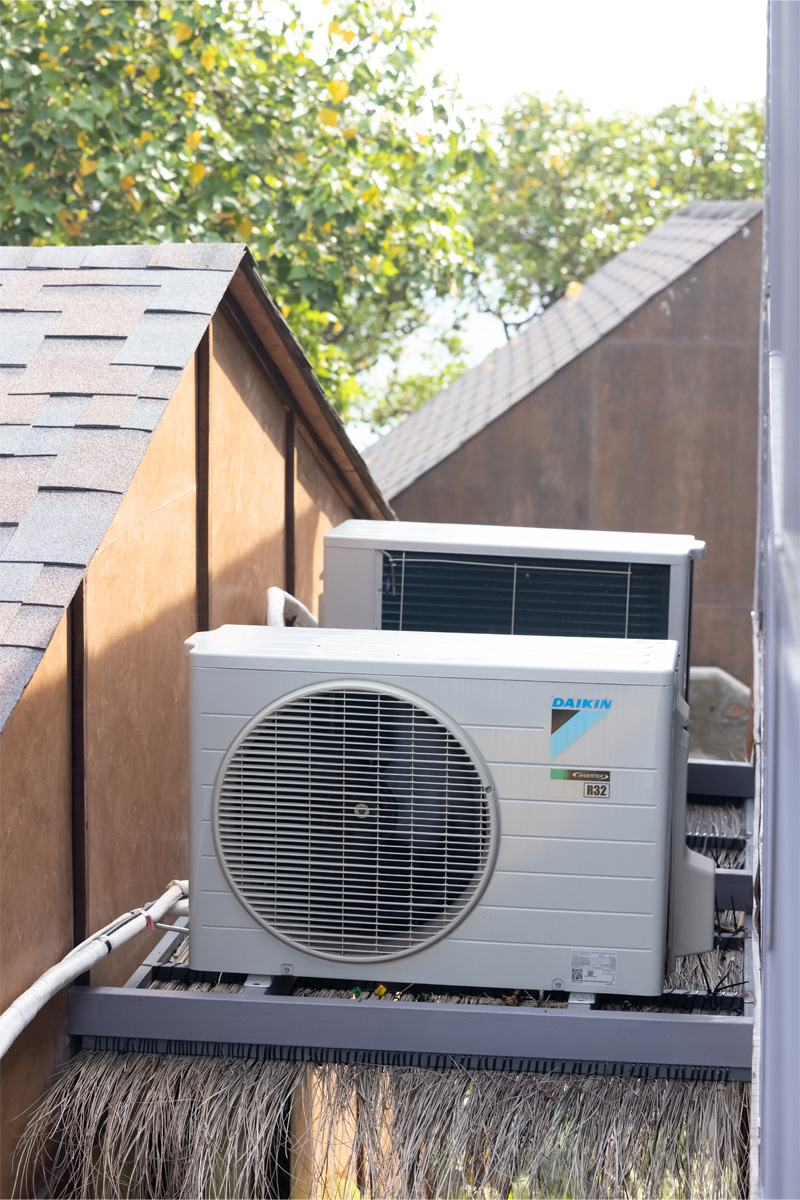
Once the voucher is issued, the installer has three months to fit and commission an air source heat pump (six months for ground source). On site, a typical air source installation takes a few days: the outdoor unit goes in, the LPG boiler comes out, a hot water cylinder is fitted if needed, and any radiators are swapped.
Step 6: Switch on and settle in
Heat pumps work differently from LPG boilers. Instead of blasting heat for an hour or two, they run steadily at lower temperatures. Your installer should show you the controls and explain how to get the best from the system. The grant comes off your bill — you pay the balance, and your installer claims the £9,000 from Ofgem.
What about cooking on LPG?
The Boiler Upgrade Scheme is about your heating system. Many households switch to an electric or induction hob at the same time so they can end their LPG supply completely — worth considering if you’re otherwise only keeping a tank for the cooker.
How much does it cost after the £9,000 grant?
It depends on your home — the heat pump size, radiators and hot water cylinder all affect the price. The grant is shown as a deduction on your quote, so you’ll see exactly what you pay before you agree.
Is an air-to-air heat pump eligible for £9,000?
No. Air-to-air heat pumps get £2,500 whatever they replace. The £9,000 rate is for air-to-water and ground source heat pumps.
When does the £9,000 rate end?
It’s available for applications properly made up to 31 March 2027.
Find out more on our oil, LPG and electric heating page, or check if your home qualifies.