For years, park home owners have been told that heat pump grants “aren’t for people like us”. That’s not what the rules say. Ofgem’s current guidance for the Boiler Upgrade Scheme states plainly that park homes may be eligible, as long as they meet the scheme’s wider requirements.
And because most park homes are off the gas grid — heated by bottled LPG, an oil tank or electric heaters — many could be in line for the scheme’s highest grant.
How much could a park home get?
| Your current heating | Grant towards an air source heat pump |
|---|---|
| LPG (bulk tank or bottles), no mains gas | £9,000 for applications until 31 March 2027 |
| Oil, no mains gas | £9,000 for applications until 31 March 2027 |
| Electric panel or storage heaters | £7,500 |
| Any of the above, switching to an air-to-air heat pump | £2,500 |
The grant comes off the price upfront. It isn’t a loan and it isn’t means-tested.
What does “wider eligibility requirements” mean?
It means the same core rules every BUS application has to meet:
- You own the park home
- It’s in England or Wales
- You’re replacing fossil-fuel or electric heating (not an existing heat pump)
- The old system is fully removed — no keeping the LPG boiler as backup
- The home hasn’t already had public funding for a heat pump
- An MCS-certified installer designs and fits the system
Your installer checks all of this before applying, and Ofgem makes the final decision.
What about the EPC?
Park homes often don’t have an Energy Performance Certificate, and older guidance tied BUS eligibility to having one. Under the rules in force since 28 April 2026, if your property doesn’t have a valid EPC, your installer can provide alternative evidence about the home and its existing heating instead. That removes one of the biggest historic sticking points for park homes.
Practical things to sort out first
The grant rules are only half the picture. Park homes have a few practical considerations that houses don’t:
- Your site rules and pitch agreement. Check whether the park has rules about external equipment, and talk to the site owner early. Most are used to residents upgrading their homes.
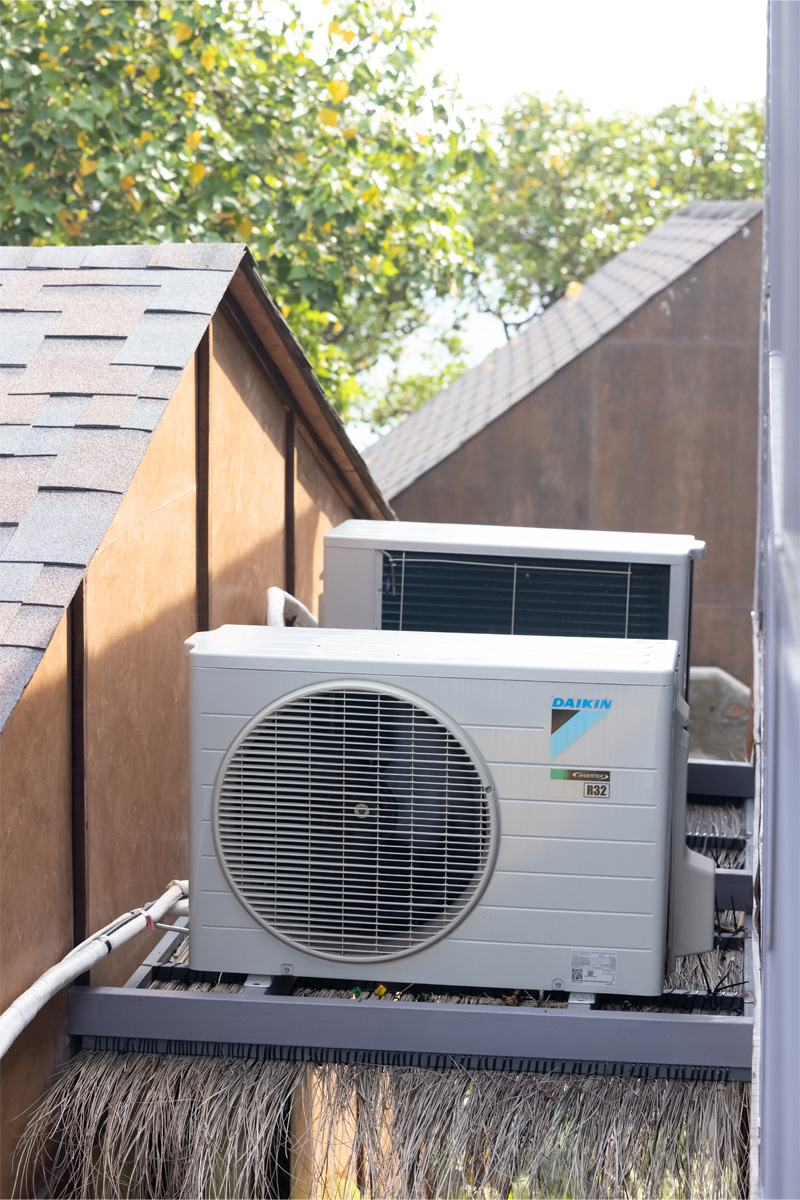
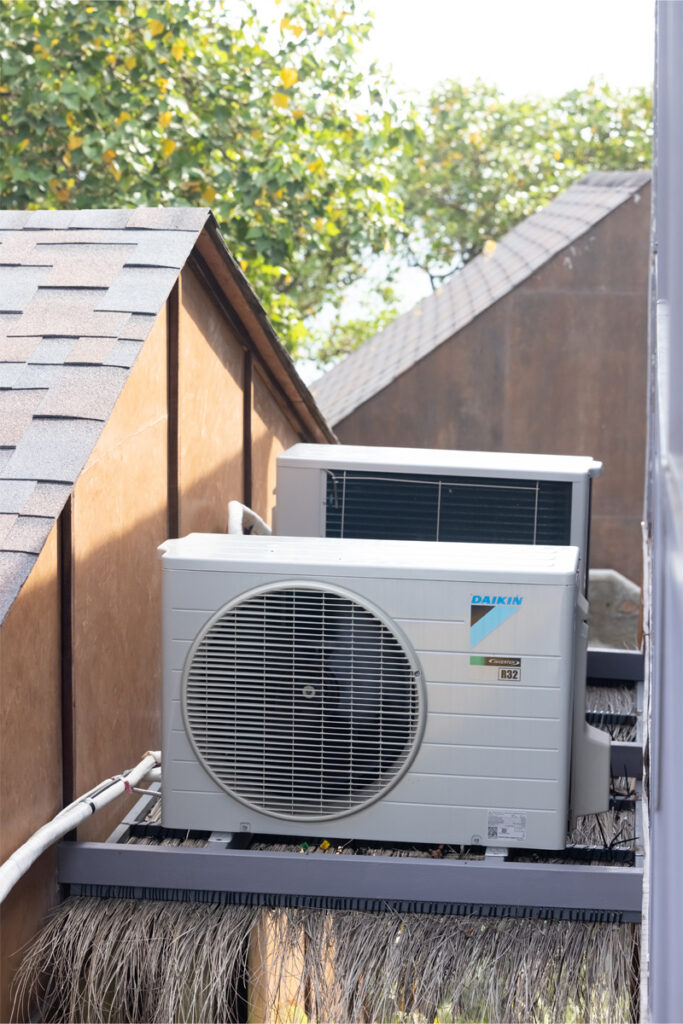
- Where the outdoor unit goes. It needs a solid, level base, airflow around it, and a sensible distance from your neighbours’ homes.
- Radiators and hot water. Many park homes have a wet system already; homes on electric heaters may need radiators and a hot water cylinder adding, which your installer will price in.
- Insulation. Park homes lose heat through walls, floors and roofs. Your installer’s heat-loss calculation will show where it’s going, and sizing the heat pump correctly matters more than in a typical house.
Is an air-to-air heat pump an option?
If your park home has no radiators, an air-to-air system (which blows warm air, like reversible air conditioning) can be simpler to fit. It attracts a smaller £2,500 grant and doesn’t heat your hot water, so it’s a trade-off worth discussing with your installer.
Why act this winter?
The £9,000 rate for oil and LPG homes is only confirmed for applications made by 31 March 2027. With surveys, site-owner conversations and Ofgem’s consent checks to fit in, starting now gives you the best chance of getting the higher grant.
Does the park home need to be my main residence?
The Boiler Upgrade Scheme isn’t limited to main homes — second homes can qualify. Holiday caravans on holiday parks are a different matter, so talk to us before you go any further if that’s your situation.
Do I need permission from the site owner?
Check your written agreement and park rules. Even where formal permission isn’t needed, talking to the site owner early avoids problems on installation day.
Are park homes in Scotland covered?
No — BUS is England and Wales only. Scottish park home owners should contact Home Energy Scotland.
See our full park home heat pump grants page, or check your eligibility for free.